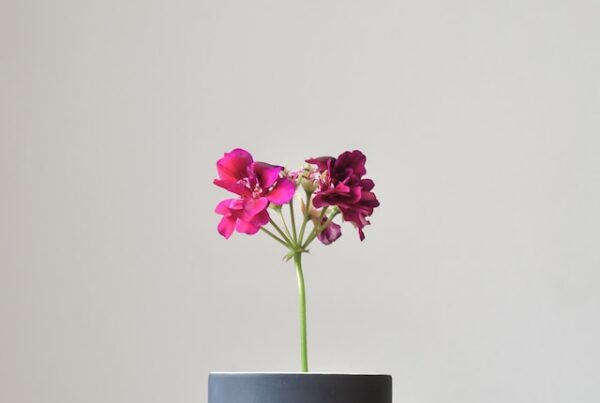
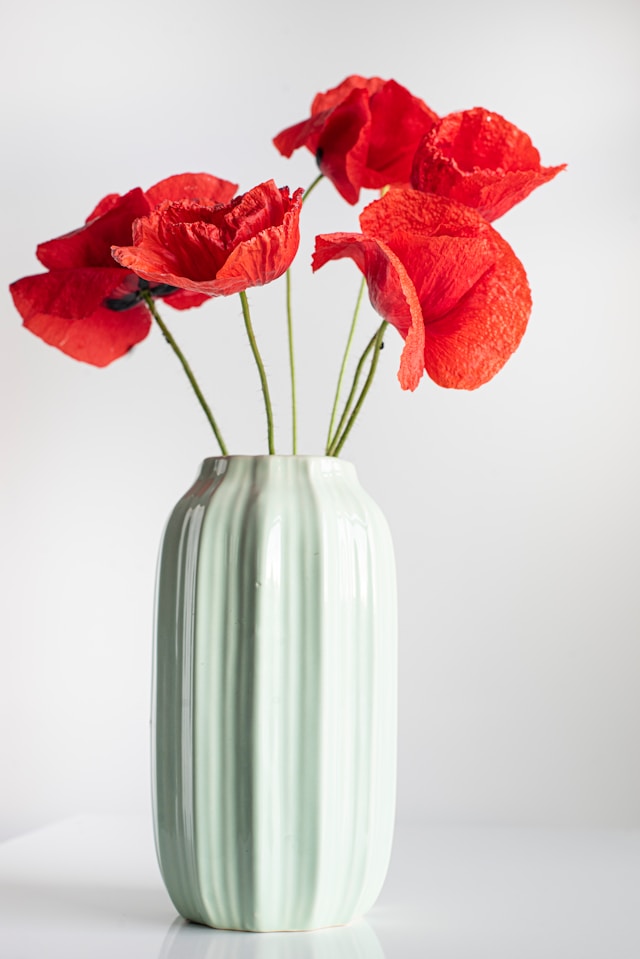
Floral resin art can be styled in many ways depending on the look and feel of a space. Because these pieces often combine transparent materials with natural elements, they tend to fit into a wide range of interior styles. Simple placement choices can help highlight the details of each piece without overwhelming the room.
One approach is to use floral resin items as small accent pieces. Placing them on shelves, side tables, or desks allows them to add visual interest without becoming the main focus of the room. This works well in minimalist spaces where a few carefully chosen details create balance. The clear resin helps the pieces blend into the environment while still standing out.
Another option is to group similar items together. For example, placing several small resin pieces on a tray or shelf can create a cohesive display. Grouping works well when the items share a color palette or general style. This creates a sense of intention and makes the display look curated rather than random.
Lighting can also enhance the appearance of floral resin art. Natural light highlights the transparency of the resin and brings out the colors of the embedded flowers. Placing pieces near windows or under soft ambient lighting can make them appear brighter and more dimensional. Even basic lighting can change how the textures and colors are perceived.
Floral resin art can also be used to complement existing decor. Neutral interiors can benefit from subtle color accents provided by floral elements. More colorful spaces can use resin pieces that echo existing tones, creating visual continuity. Because resin items are typically compact, they are easy to move around and experiment with in different rooms.
In functional spaces, floral resin art can be incorporated into everyday use. Decorative trays, coasters, or holders can sit on kitchen counters, desks, or entryway tables. This approach makes the items part of daily routines rather than purely decorative objects. The blend of function and design helps integrate them naturally into the home.
For an ecommerce website, showing these styling ideas through example images and simple captions helps customers imagine the products in real environments. Even placeholder content can guide layout decisions and support the overall design of the site.